What to Know About Sourcing European Blank Apparel for Your Brand
Understanding the European Blank Apparel Market
Blank apparel has become the foundation for many clothing brands, workwear programs, and private label lines. The term refers to unbranded, ready-to-customize garments that businesses buy in bulk and then print, embroider, or otherwise decorate with their own designs. European blank apparel specifically points to garments made in Europe or designed to European manufacturing standards. These pieces often differ from mass-market imports in their fabric sourcing, construction methods, and overall fit.
For a business considering a move into custom clothing or workwear, understanding what makes this category distinct is important. The sourcing process can affect everything from the final look of a garment to the lead times you can expect. Here is a practical breakdown of what to consider when evaluating European blank apparel for your next project.
Why the European Standard Matters
European manufacturing has a reputation for certain qualities that appeal to both fashion brands and corporate clients. The region has long-established textile mills, strict environmental regulations, and a workforce skilled in garment construction. This combination often yields fabrics that are more durable, with better color retention and less shrinkage after washing.
Another factor is the fit. European sizing tends to be more tailored than the looser cuts common in some other markets. If your customer base prefers a slimmer silhouette, or if you are producing uniforms where a clean look matters, this can be a real advantage. The construction details - such as reinforced seams, higher stitch counts, and better button or zipper quality - also tend to be consistent across reputable suppliers.

However, these benefits usually come with a higher price point and longer minimum order quantities. You need to weigh whether the quality improvements matter more than the cost savings you might get from other sources. For many businesses, especially those selling to clients who value durability and ethical production, the trade-off is worth it.
Key Considerations When Sourcing
When you start looking at European blank apparel, there are several practical factors to keep in mind. The first is fabric composition. Many European mills specialize in sustainable fabrics like organic cotton, hemp blends, or recycled polyester. These materials can support a brand story about environmental responsibility, but they also behave differently during printing and embroidery. Test a sample before committing to a large order.
Custom labelling is another area where European suppliers often excel. They can sew in woven labels, print care instructions, and add hang tags with precision. If your brand identity depends on a premium-looking label, this can make a big difference. Just be clear about the artwork requirements and any extra charges for small runs.
Bulk ordering from European manufacturers requires careful planning. Production timelines are typically longer than what you might find from suppliers in Asia, partly because European factories often work with smaller batches and more manual processes. You also need to factor in shipping times and customs clearance if you are importing into another region. A reliable partner will give you a clear production schedule and stick to it, but you should always add a buffer for unexpected delays.
Cut-and-sew services are available from some European blank apparel makers. This means they can take your design and produce the garment from scratch, rather than just selling you a standard blank. The advantage is full control over the fit, fabric, and details. The downside is that cut-and-sew usually requires higher minimum quantities and longer lead times. It also demands a well-prepared technical pack with accurate measurements, construction details, and grading rules.
Garment dyeing is a technique that some European suppliers offer. In this process, the garment is sewn from undyed fabric and then dyed after construction. The result is a softer hand feel and more varied color tones. It can be a strong choice for a relaxed, lived-in look. However, the color consistency between batches can vary, so you need to approve a lab dip and order enough from the same dye lot to cover your needs.
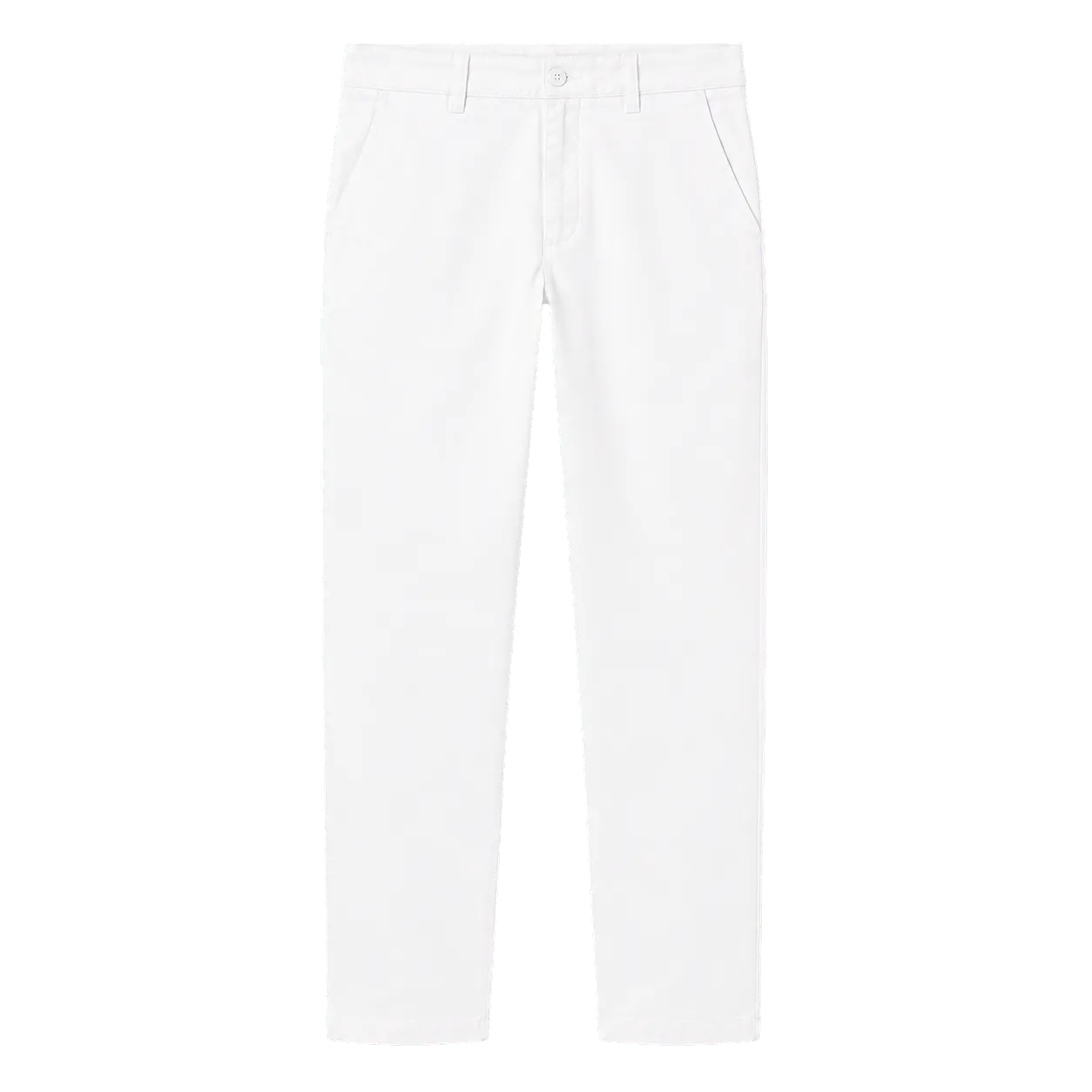
Sample approval is a critical step in any sourcing project. Never skip it, no matter how well you think you know the supplier. A sample lets you check the fit, the feel of the fabric, the quality of stitching, and how the garment holds up after a wash. European blank apparel suppliers typically charge for samples, but that cost is small compared to the risk of receiving a full order that does not meet your standards.
Size grading is another detail to discuss early. European size charts can differ from those in other regions. If you are selling to a domestic market, you might need the supplier to adjust the grading to match local expectations. For example, a European size small might be closer to an extra-small in some other markets. Ask for a size specification sheet that includes measurements for each point - chest, waist, hip, sleeve length, and so on.
A well-planned production timeline helps everything run smoothly. Start by working backward from your launch date. Allow time for fabric sourcing, sample approval, production, finishing, and shipping. If you are doing custom labelling or garment dyeing, add extra weeks to each stage. The most common mistake is underestimating how long the approval steps take, especially if you are working across time zones.
One of the most practical ways to evaluate a supplier is to visit their facility if possible, or at least request a virtual tour. Seeing the production floor can tell you a lot about their capabilities and quality control. Failing that, ask for references from other brands they have worked with, and follow up on them.
For brands that want to combine European craftsmanship with volume pricing, working with a distributor or wholesaler that specializes in European blank apparel can simplify the process. These partners handle the sourcing, quality checks, and logistics, so you can focus on your designs and marketing. They can also help with private label clothing production if you decide to move beyond blanks into fully custom pieces.
Enterprise workwear manufacturing follows a similar path, but with additional requirements for durability, safety standards, and consistent sizing across large employee groups. If you are outfitting a workforce, you need fabric that can withstand repeated industrial laundering, seams that hold up under stress, and fit options that accommodate a wide range of body types. European suppliers who specialize in workwear often have certifications for flame resistance, chemical protection, or high visibility that you must verify against your local regulations.

When you are ready to place an order, communicate clearly about your timeline, your quality expectations, and your budget. Get everything in writing, including the agreed-upon production schedule, payment terms, and what happens if there is a defect. A good supplier will welcome this clarity because it reduces misunderstandings on both sides.
Choosing the right European blank apparel partner takes time, but the effort pays off in consistent quality and a product you can stand behind. Focus on finding a supplier who understands your market, communicates honestly, and delivers on their promises. With careful planning and a willingness to invest in samples and samples approval, you can build a reliable source for the garments your brand needs.